May 27, 2026
The safety of every driver and passenger on the road depends heavily on the mechanical integrity of the vehicle they are in, with the braking system serving as the most critical line of defense. When we operate a vehicle, we are essentially managing a massive amount of kinetic energy that must be controlled or dissipated at a moment's notice to avoid hazards. Neglecting the health of this system does more than just damage the car; it actively compromises the well-being of everyone inside. Regular brake inspections can catch the smallest issues before they escalate into major safety concerns.
The importance of this upkeep is reflected in the sheer scale of the industry. The automotive repair and maintenance market size grew from $960.98 billion in 2024 to $1051.52 billion in 2025, according to The Business Research Company. This rapid growth underscores a global shift toward keeping vehicles on the road longer through professional, high-quality care. This trend highlights a growing consumer awareness of the benefits of extended vehicle lifespans through diligent maintenance.
Understand the Mechanics of Stopping Power
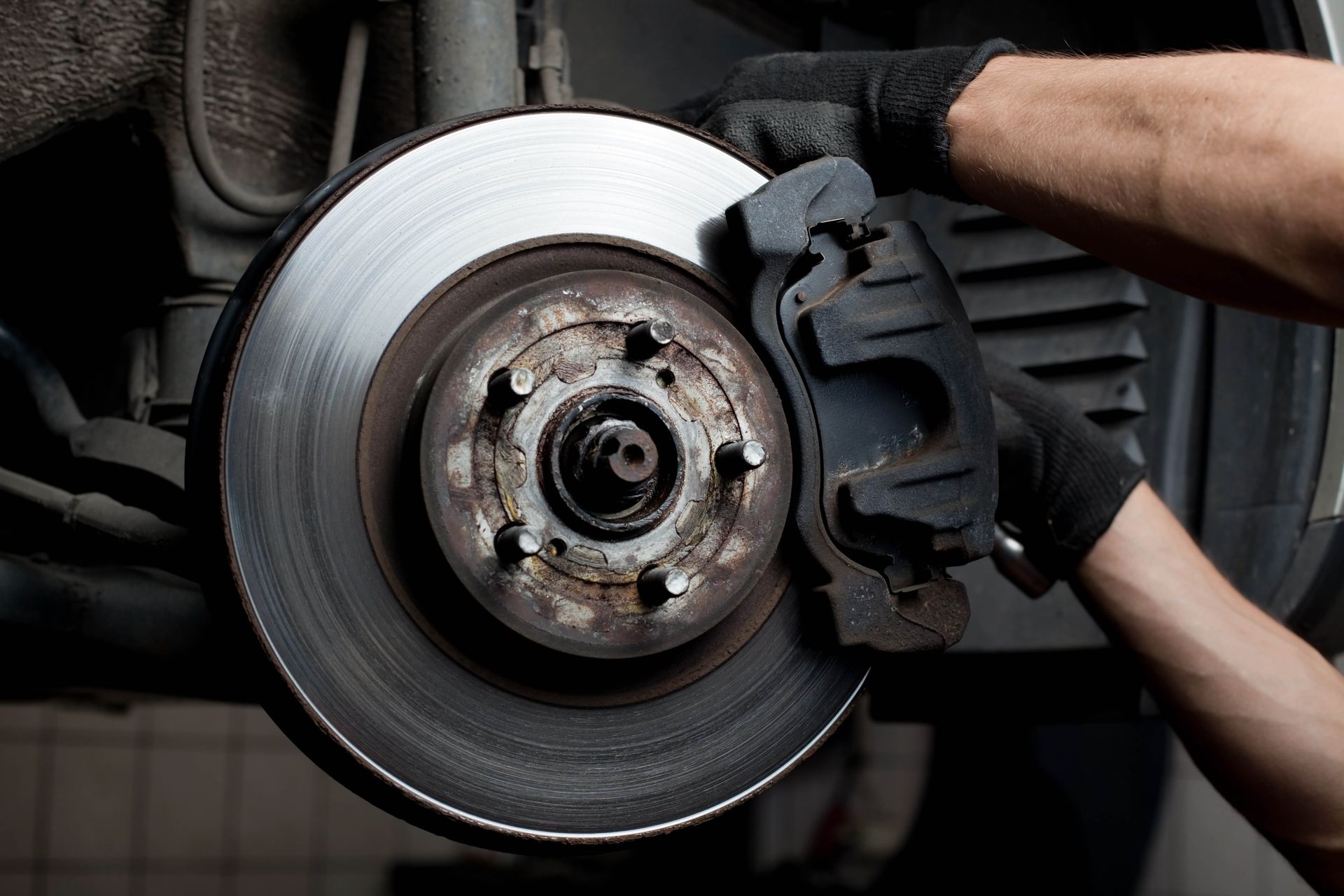
A vehicle's braking system is a complex network of hydraulic and mechanical parts designed to work in perfect harmony to bring thousands of pounds of metal to a complete halt. When you press the pedal, brake fluid is pushed through lines to engage the calipers, which then squeeze the pads against the rotors. This action creates the necessary friction to slow the wheels, but it also generates an immense amount of heat and physical wear over time. Understanding how these components interact is crucial to maintaining optimal braking performance.
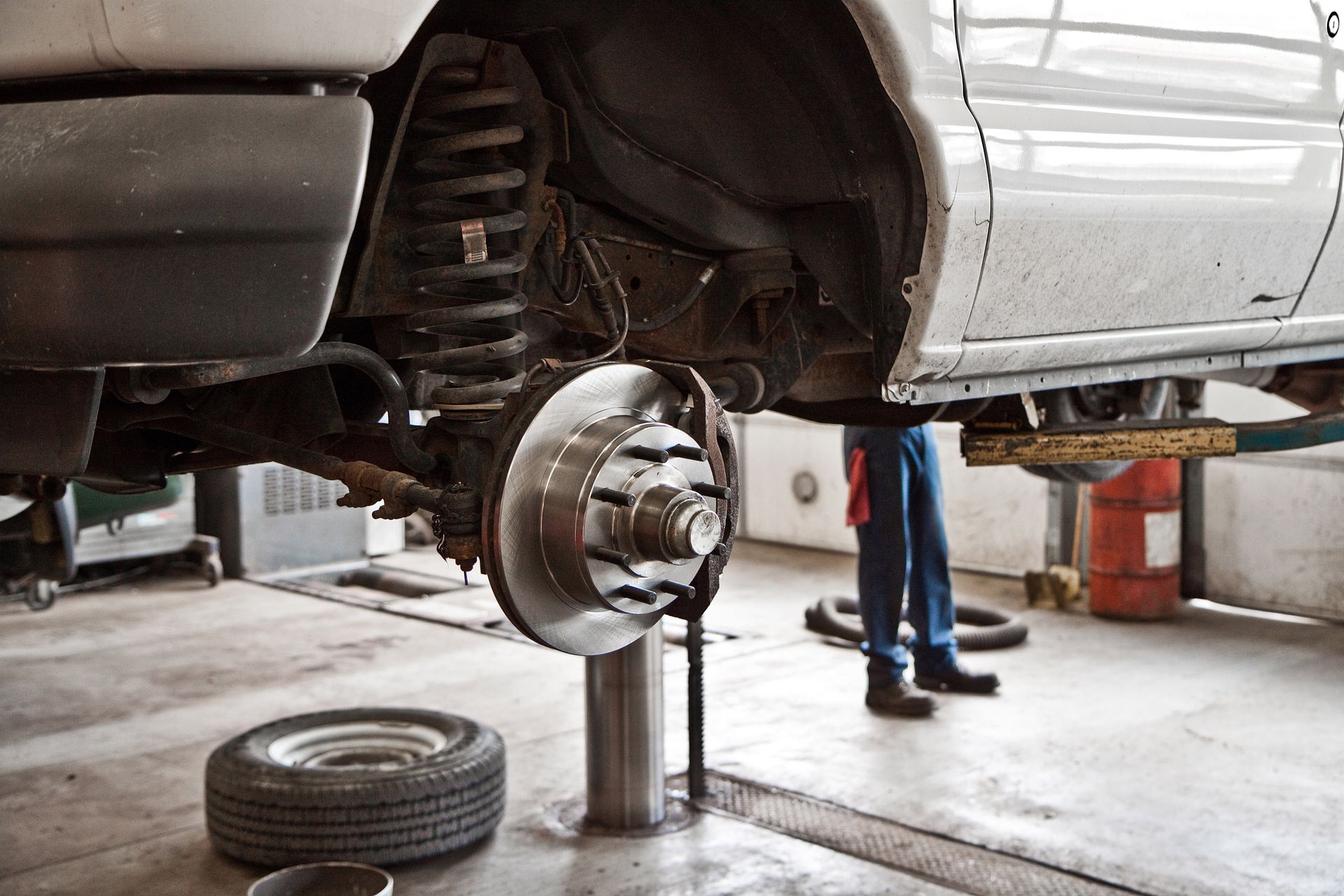
Regardless of the configuration, whether your car uses disc brakes or drum brakes, the physics remains the same: worn components cannot create the friction required for a safe stop. This is why we always emphasize the need for professional brake repairs at the first sign of trouble. Ignoring early signs can lead to unexpected and dangerous brake failures when least expected.
Recognize the Risks of Delayed Maintenance
Waiting too long to address a mechanical issue is a gamble that rarely pays off. When we delay necessary brake repairs, the stopping distance of the vehicle begins to increase incrementally, often without the driver noticing until an emergency occurs. A car that requires an extra ten feet to stop might be the difference between a close call and a serious collision. Acting promptly on brake issues can save lives and prevent accidents.
Beyond the physical danger, there is a financial risk. Small issues, like a worn set of pads, are relatively inexpensive to fix. However, if they are ignored, they can lead to metal-on-metal contact that ruins the rotors or calipers, causing the cost of the job to increase exponentially. Addressing minor problems early not only enhances safety but also protects your wallet in the long run.
Identify Warning Signs Early
One of the most common ways a vehicle communicates a problem is through sound. You should never ignore high-pitched squealing or grinding noises. Most brake pads feature a "wear indicator" that emits a piercing sound when the pad material has become dangerously thin. If you hear grinding, the pads are likely gone, and the metal backing plate is digging into the rotor. Proactive listening and responsiveness to unusual noises can significantly contribute to road safety and vehicle longevity.
Feel is another major indicator. If the pedal feels "spongy" or sinks to the floor, it could indicate air in the lines or a leak in the master cylinder. Conversely, if the steering wheel shakes or the pedal pulses when you apply pressure, the rotors are likely warped from excessive heat. Consistently monitoring pedal feedback can provide early insights into potential brake maladies.
Seek Professional Inspections Regularly
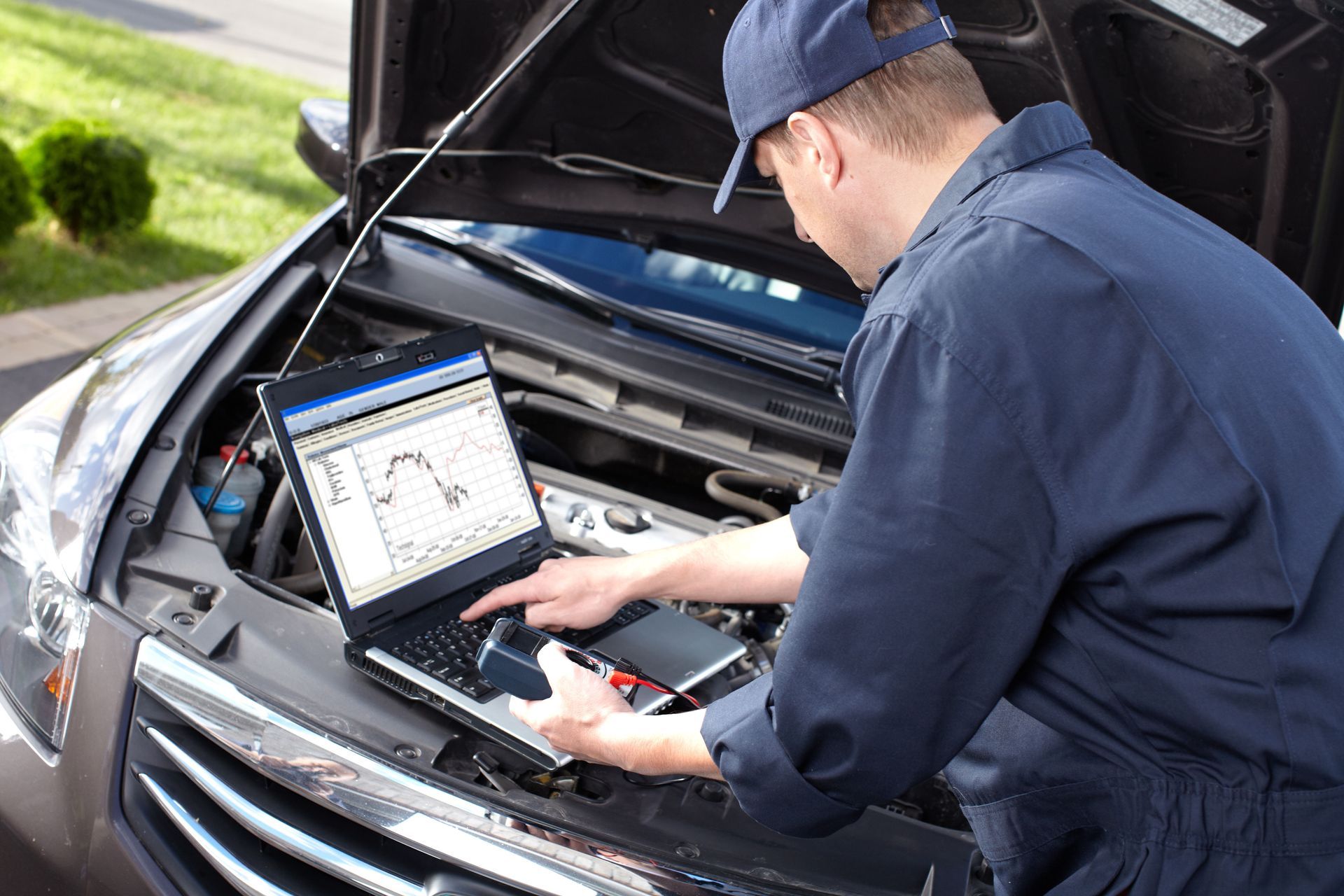
While it might be tempting to guess what is wrong with a vehicle, a professional inspection is the only way to get a full picture of the system's health. During a standard service, we check the thickness of the pads, the condition of the rotors, and the integrity of the lines to catch issues that a driver might not be able to see or feel during normal operation. Routine check-ups not only extend the life of the brake system but also reassure drivers of the vehicle's safe operation.
Furthermore, a professional shop ensures that all parts used are of high quality and compatible with your specific make and model. Investing in professional expertise is an investment in the long-term reliability of the car and the safety of everyone on the road. This ensures peace of mind and satisfaction for many miles to come.
Adopt Better Driving Habits
The way we drive has a direct impact on how often we need to invest in brake repairs. Aggressive driving, characterized by high speeds and sudden stops, creates excessive heat that can warp rotors and glaze brake pads. By practicing "defensive driving," such as maintaining a safe following distance and coasting to a stop when possible, you can significantly reduce component wear. Awareness and adaptation of safer driving techniques can lead to fewer brake maintenance demands.
Another helpful habit is to avoid "riding the brakes." Constant light pressure prevents parts from cooling down, leading to "brake fade," where the pedal becomes less responsive. Instead, we recommend letting the engine assist in slowing the car down when navigating long descents. This practice not only conserves your brakes but also enhances the overall driving experience.
Monitor Fluid Levels and Quality
Brake fluid is the lifeblood of the stopping system. Because it is a hydraulic system, any compromise in the fluid—whether a leak or contamination—will result in a direct loss of stopping power. We recommend checking the fluid level at every oil change. If the fluid looks dark or murky, it is likely time for a flush. Staying vigilant about fluid condition prevents costly and extensive brake repairs down the line.
Preventing internal corrosion in the calipers and master cylinder through regular fluid changes is much cheaper than replacing those expensive parts once they have seized. When we perform brake repairs, we always look at the fluid as a primary indicator of how well the system has been maintained. Our commitment to fluid checks serves as a cornerstone for both preventative maintenance and optimal vehicle function.
Comply With State Safety Standards
In many regions, keeping up with vehicle maintenance is a legal requirement. State inspections often include a rigorous check of the braking system to ensure all vehicles on public roads meet a minimum safety standard. If a vehicle has worn pads or a failing emergency brake, it will not pass, leading to fines or registration issues. Compliance not only avoids legal issues but also enhances public roadway safety.
Regular brake repairs ensure that you are never caught off guard during your annual or biennial state inspection. Furthermore, in the event of an accident, having a documented history of proper maintenance can be a significant factor in insurance claims and legal proceedings. Meticulous record-keeping supports both legal defense and personal accountability.
At the heart of every safe journey is a vehicle that has been cared for with precision. At Big Bend Auto Center, we understand that your time and safety are precious. If you have noticed any warning signs or simply want the security of a professional check-up, our team is ready to help you stay ahead of the rising costs of vehicle ownership by addressing your maintenance needs today. Trust us to keep you safe and secure for all your travels.